
 Facebook
 Twitter
Recognising and Overcoming Gambling Addiction in the Digital Age: How Crypto Casinos Are Changing Risk Patterns for UK Gamblers in 2026
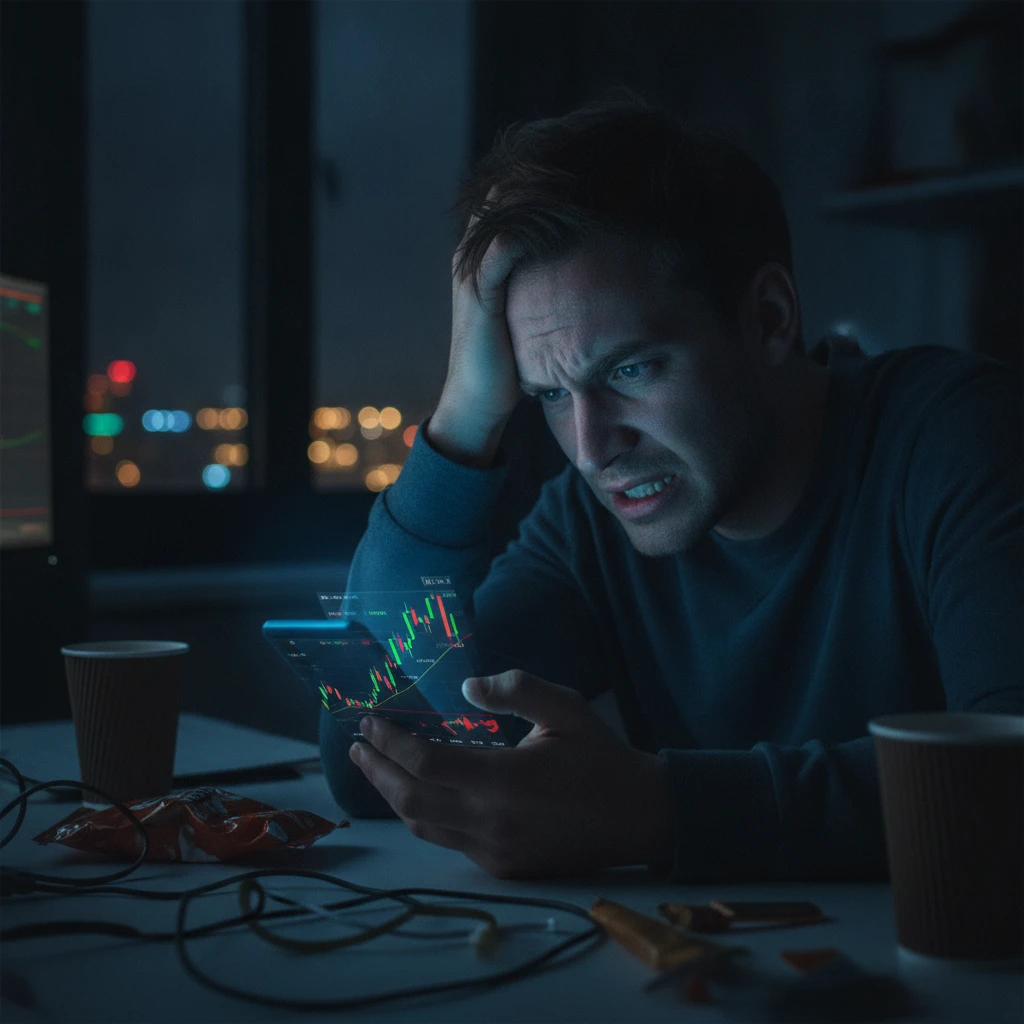
I've spent a good chunk of time lately talking to people across the UK about how their relationship with gambling has shifted — and honestly, the change over the past couple of years has caught me off guard more than once. This isn't just about a flutter on the horses or a trip to the local bookies anymore. By 2026, gambling has mostly moved into our pockets, and more and more, it's drifted into the world of cryptocurrency too. So this article is really about understanding that shift: recognising when it tips into something harmful, and — just as important — knowing where real support actually exists, including through life coaching and dedicated recovery resources.
The Rise of Digital Gambling and Shifting Risk Patterns in the UK
Online gambling isn't new. But the way it operates today is almost unrecognisable compared to even five years ago. Traditional betting shops had opening hours, physical limits, a bit of social friction baked in — you had to leave the house, speak to someone, wait in a queue.
Digital platforms stripped all of that away. Now it's instant, available around the clock, and often completely solitary. For a lot of UK gamblers, that constant accessibility is exactly what feeds compulsive patterns, because there's never really a natural stopping point built into the experience anymore.
Why 2026 Marks a Turning Point
This year feels like something of a tipping point, honestly. Regulatory frameworks in the UK are reasonably solid for licensed operators, but they still struggle to keep pace with decentralised and offshore platforms. Younger demographics — people who grew up trading, gaming, and transacting digitally without a second thought — are getting exposed to high-stakes environments far earlier, and far more casually, than previous generations ever were.
The normalisation of crypto as 'just another app' rather than a serious financial instrument has made it easier for risky gambling behaviour to slip under the radar. Both for the person doing it, and for the people around them who might otherwise have noticed.
Understanding Crypto Casinos and Their Unique Risks
Crypto casinos, put simply, are online gambling platforms that accept cryptocurrencies like Bitcoin, Ethereum, or various stablecoins instead of traditional currency. Some are licensed and regulated. A significant number operate from jurisdictions with minimal oversight, meaning they sit well outside the protections the UK Gambling Commission typically enforces for mainstream operators.
What makes these platforms particularly concerning is the sheer speed and lack of friction involved. Deposits and withdrawals happen in moments, there's often no mandatory identity verification, and the pseudo-anonymous nature of blockchain transactions can make the whole thing feel oddly detached from real money. Fast. Too fast, really.
That detachment is exactly why addiction becomes harder to spot and harder to control. If you're trying to understand how these platforms actually work, or you want guidance on navigating them more responsibly — or just recognising when the line into harmful gambling has already been crossed — there's genuinely useful support available through crypto casinos coaching and recovery services, which specifically deal with this newer, more technically tangled side of problem gambling.
Key Differences from Traditional Online Gambling
There are several distinct features that set crypto gambling apart from standard online betting:
- Crypto asset volatility means winnings or losses can swing wildly even without placing a new bet, which compounds the emotional stress on top of everything else.
- Many crypto casinos lack standard UK safeguards like mandatory deposit limits, cooling-off periods, or self-exclusion schemes.
- Blockchain transactions, while technically traceable, are often opaque to the average user and completely invisible to concerned family members who might otherwise spot bank statement red flags.
Recognising the Signs of Gambling Addiction in a Digital Context
Problem gambling in a digital or crypto environment doesn't always look like what people expect. There's no pile of betting slips, no obvious trip to a casino floor. Instead, the signs are quieter, more easily hidden — and that's part of what makes this generation of addiction so insidious.
Common UK-specific indicators include compulsively checking crypto wallets throughout the day, chasing losses by doubling down during volatile market swings, and a growing secrecy around digital transactions that previously wouldn't have raised an eyebrow.
Behavioural and Emotional Red Flags
Watch for these patterns, whether in yourself or someone close to you:
- Increasing anxiety or irritability tied to wallet balances or market movements
- Denial or minimising when questioned about gambling habits
- Withdrawing from family and friends, particularly around financial conversations
- Unexplained crypto wallet activity or sudden transfers between exchanges
- Borrowing money, often from informal sources, specifically to fund further deposits
Why Traditional Support Models Need to Adapt
Here's something I don't think gets said enough: standard gambling helplines, however well-intentioned, often aren't equipped to handle the specific nuances of crypto-related addiction. The technical language alone — wallets, exchanges, gas fees, volatility — can create a real barrier between someone struggling and the person meant to help them.
There's also an extra layer of stigma on top. People feel embarrassed admitting they've lost money to something they still only half-understand themselves. And that's exactly why more personalised, holistic approaches, like structured life coaching, are becoming so essential in 2026.
The Role of Life Coaching in Recovery
Life coaching isn't a replacement for clinical therapy, and it shouldn't be framed that way. But it plays a genuinely useful, complementary role. Where therapy often digs into the underlying psychological causes, coaching focuses on the practical, forward-facing side of recovery: rebuilding daily routines, restoring financial discipline, repairing self-esteem, and creating behavioural change that actually sticks over the long term.
What to Expect from a Recovery-Focused Coaching Programme
Most structured programmes follow a fairly consistent path:
- An initial assessment to understand the specific gambling patterns and triggers involved
- Collaborative goal-setting that's realistic and tailored to the individual's circumstances
- Regular accountability check-ins to maintain momentum and catch early warning signs
- Relapse-prevention strategies specifically adapted for digital and crypto gambling environments

Practical Steps to Take If You or a Loved One Is Struggling
If any of this feels familiar, there are concrete actions worth taking right away. Start by setting self-exclusion limits directly on crypto exchanges and gambling platforms where possible — a surprising number now offer this, even if it's not always obvious or easy to find.
Reach out to a professional. Could be a GP, a gambling-specific helpline, or a life coach who's experienced in this exact area. Involve family members honestly too, even though that conversation is uncomfortable — secrecy tends to feed the problem rather than contain it.
And combine UK-based helplines with ongoing coaching support rather than treating either as a standalone fix. Recovery tends to stick better when it's tackled from multiple angles at once, not just one.
Conclusion
The digital and crypto gambling landscape has genuinely reshaped what addiction risk looks like for UK gamblers in 2026. The speed, the anonymity, the sheer accessibility — all of it has opened up new pathways into compulsive behaviour that simply didn't exist in quite the same form a decade ago.
But recovery remains entirely achievable. It starts with honest awareness, continues through early intervention, and is sustained through the right combination of professional guidance and dedicated coaching support built for this particular moment in gambling's evolution.